It’s not just Afrobeats that has Nigerians dancing across the world stage. When it comes to storytelling, Nigeria has been flexing its muscles long before Burna Boy started collecting Grammys.
From Nobel Prizes to Booker Prizes, Nigerians have been collecting international literary awards like party souvenirs – and the world is finally paying attention.
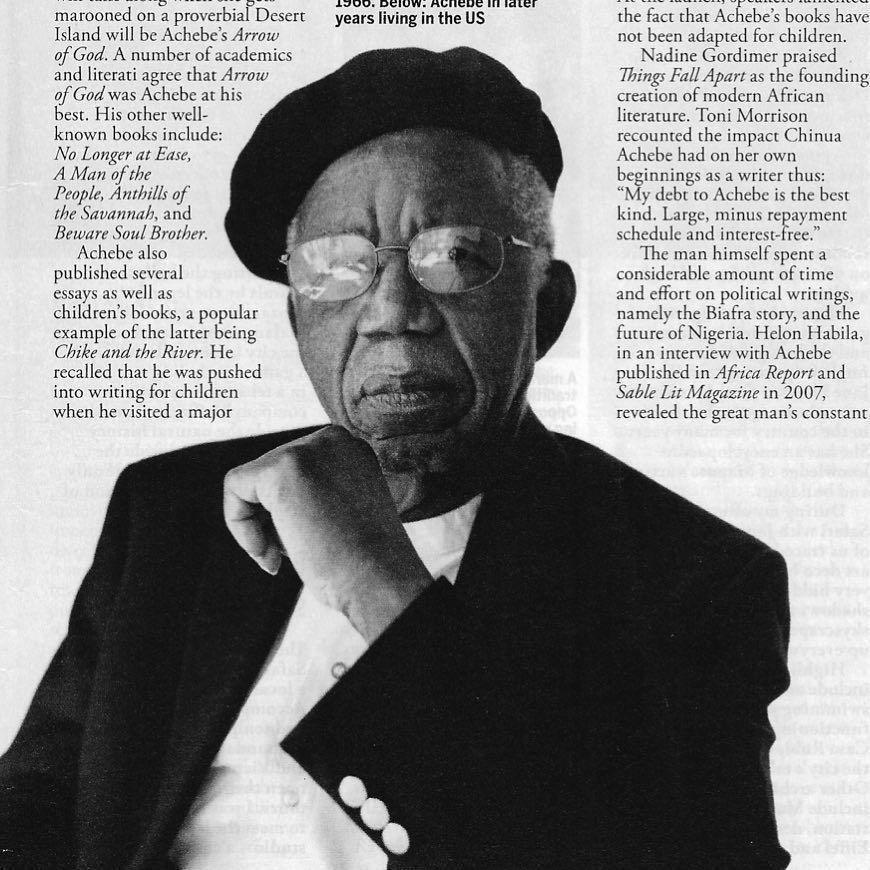
Chinua Achebe
Let’s start with the man who opened the floodgates: Chinua Achebe. His debut novel,
Things Fall Apart (1958) didn’t just sell more than 20 million copies and get translated into 57 languages – it rewired the global imagination about Africa.
Achebe gave the world a glimpse into Igbo culture, colonial intrusion, and the resilience of tradition. Till today, his novel remains a staple in classrooms from Lagos to London.
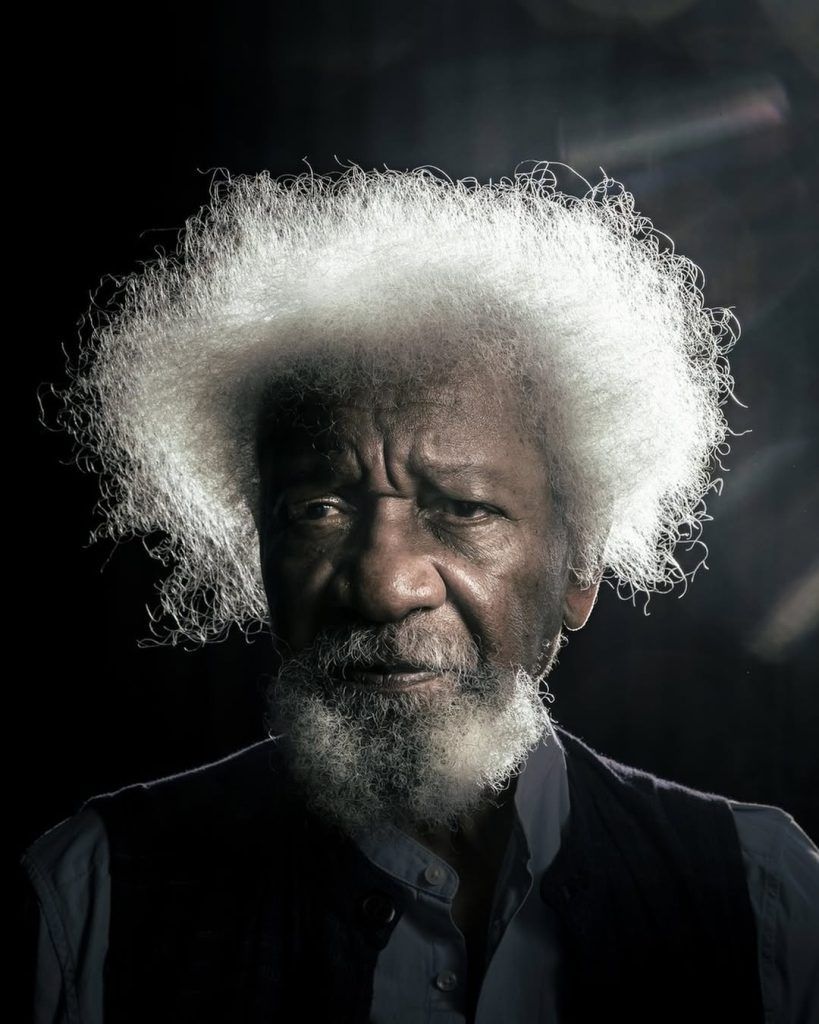
Wole Soyinka
Then there’s Wole Soyinka, the wordsmith with enough charisma to turn protest into poetry. In 1986, he became the first African to win the Nobel Prize for Literature, cementing Nigeria’s place in the global literary hall of fame. Soyinka’s plays, essays, and activism proved that literature isn’t just about pretty sentences – it’s a weapon against tyranny.
Not long after, Ben Okri carried the torch with his Booker Prize–winning novel The Famished Road (1991). With his blend of magical realism and sharp political commentary, Okri turned Nigerian folklore into a global conversation. His win announced that African literature wasn’t just surviving – it was thriving.
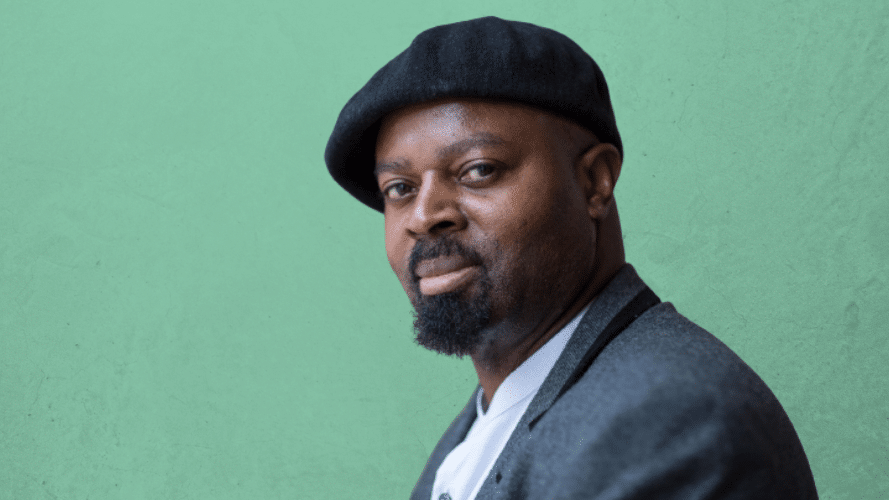
Ben Okri
Fast forward to today, and the tradition is alive and loud (and Nigerians love being loud). Chigozie Obioma, twice shortlisted for the Booker Prize, has been dubbed “the heir to Achebe.” Helon Habila has scooped up awards with novels that weave Nigeria’s political upheavals into unforgettable stories.
Chibundu Onuzo charmed her way onto the stage with her vibrant, witty takes on modern Nigeria. Sefi Atta’s work keeps pulling in prizes, while Adaobi Tricia Nwaubani isn’t just writing but also redefining African narratives for global readers.
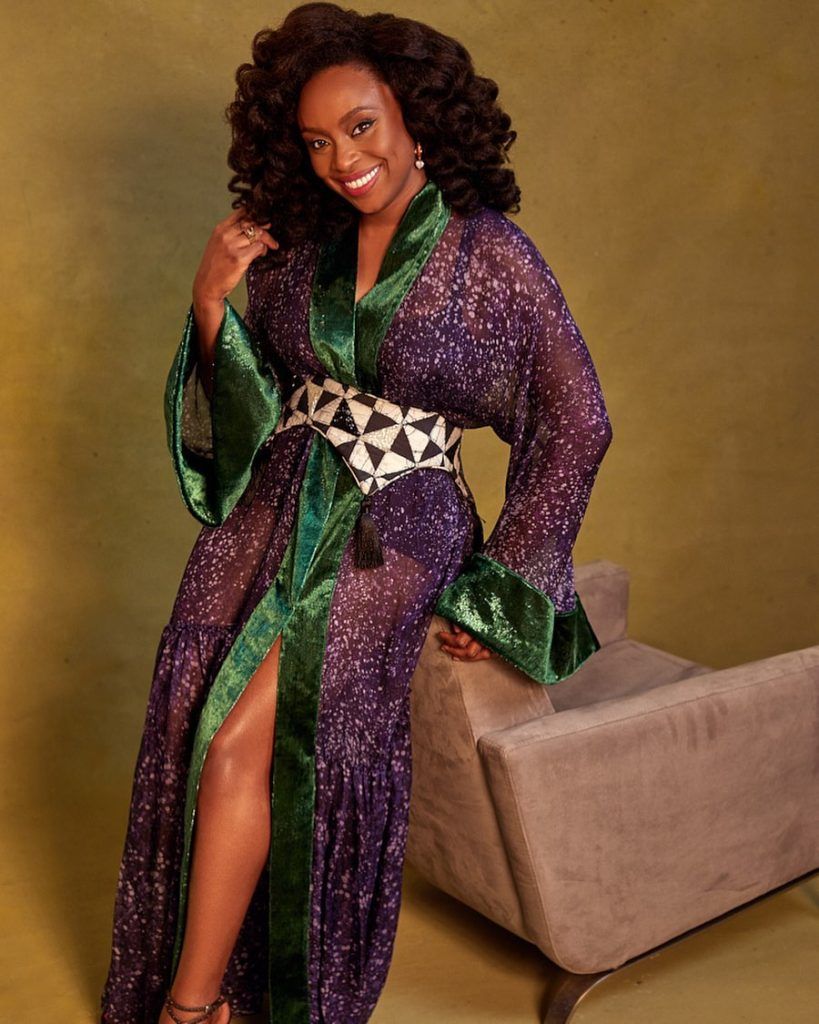
And then, of course, there’s Chimamanda Ngozi Adichie, the superstar who needs no introduction. Her novels (
Purple Hibiscus, Half of a Yellow Sun, Americanah) have won every major prize worth mentioning, but it’s her unapologetic feminism that makes her unforgettable.
In Dear Ijeawele, she delivered the unforgettable line: “The knowledge of cooking does not come pre-installed in a vagina.” Mic drop.
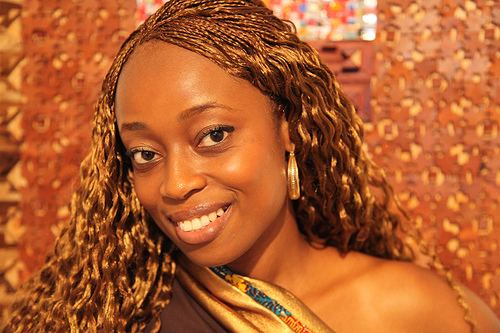
Adaobi Nwaubani
What ties all these writers together? Boldness. Nigerians don’t whisper into the global microphone; they grab it, test it, and shout into it until the room pays attention. As Adaobi Nwaubani once said, “We aim to be at the top in everything we do.
We make sure that everyone knows whenever we enter the building.” That confidence explains why, even with weak publishing infrastructure at home, Nigerian writers still manage to command global attention.
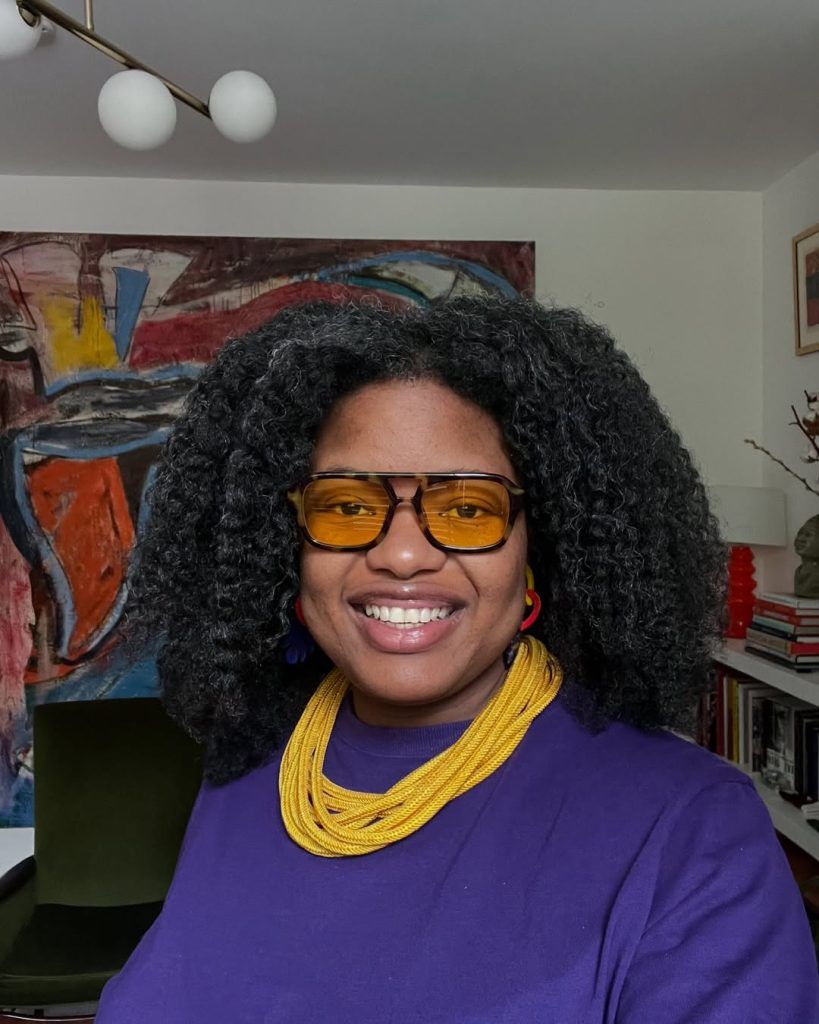
Chibundu Onuzo
And let’s not forget, storytelling is in our DNA. Nigerians have a proverb for every occasion, a Nollywood film for every drama, and a hunger for narrative that refuses to be silenced.
From Achebe to Adichie, from Soyinka to Obioma, Nigerian literature proves one thing: you can’t keep a loud, bold, proverb-quoting nation quiet – not on the dance floor, and certainly not on the bookshelf.
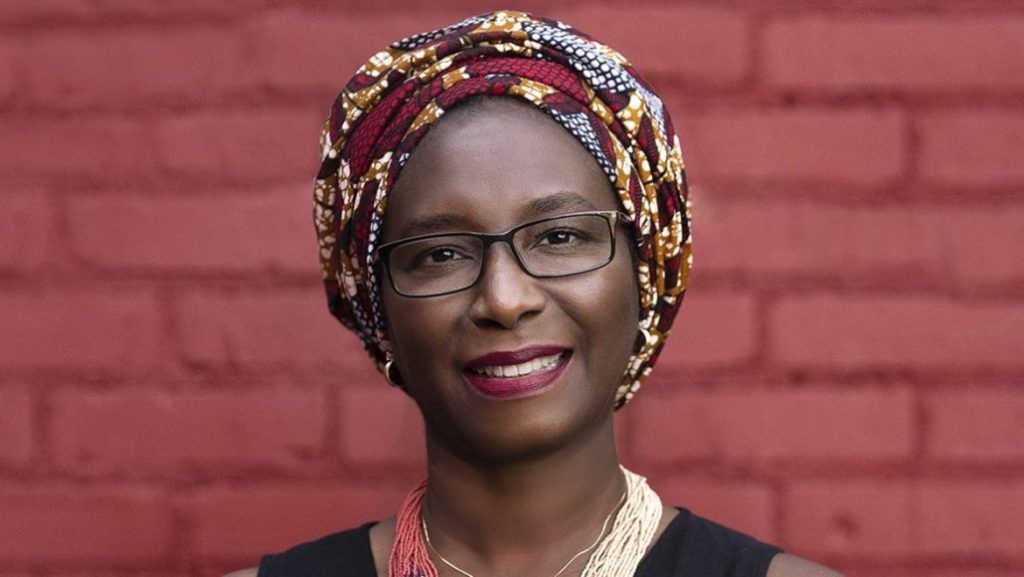
Sefi Atta
Related
Discover more from Jojo Naija
Subscribe to get the latest posts sent to your email.