
Wealth-Building Tips Inspired by Celebrities
Tyler Perry: From Living in His Car to Owning Hollywood’s Billion Dollar Studio

-
READ ALSO: Top 10 Celebrities Who Own Private Islands
 It was a flop. Perry lost all his money staging it. He ended up homeless, living in his car for months. But here’s where he’s different from most dreamers: he didn’t quit. He kept rewriting and restaging, and slowly, his plays started finding an audience – particularly among Black churchgoers who connected with his faith-filled, family-centered stories.
By the early 2000s, Perry’s plays were selling out theaters across the U.S. without a single Hollywood studio backing him. That’s when his most famous alter ego, Madea – the sharp-tongued, gun-toting grandmother – was born. Critics called her a stereotype. Audiences called her hilarious.
Hollywood executives weren’t convinced, but Perry had something better than their approval – a loyal audience. In 2005, he released Diary of a Mad Black Woman for just $5.5 million. It grossed over $50 million. Studios couldn’t believe it. Perry had cracked the code: speak directly to your audience, and they’ll show up – no fancy marketing needed.
It was a flop. Perry lost all his money staging it. He ended up homeless, living in his car for months. But here’s where he’s different from most dreamers: he didn’t quit. He kept rewriting and restaging, and slowly, his plays started finding an audience – particularly among Black churchgoers who connected with his faith-filled, family-centered stories.
By the early 2000s, Perry’s plays were selling out theaters across the U.S. without a single Hollywood studio backing him. That’s when his most famous alter ego, Madea – the sharp-tongued, gun-toting grandmother – was born. Critics called her a stereotype. Audiences called her hilarious.
Hollywood executives weren’t convinced, but Perry had something better than their approval – a loyal audience. In 2005, he released Diary of a Mad Black Woman for just $5.5 million. It grossed over $50 million. Studios couldn’t believe it. Perry had cracked the code: speak directly to your audience, and they’ll show up – no fancy marketing needed.
 Perry didn’t just make movies; he built a brand. He churned out hit after hit – Madea’s Family Reunion, Why Did I Get Married?, The Family That Preys. He moved into television with shows like House of Payne and The Haves and the Have Nots, signing lucrative deals with TBS and later BET.
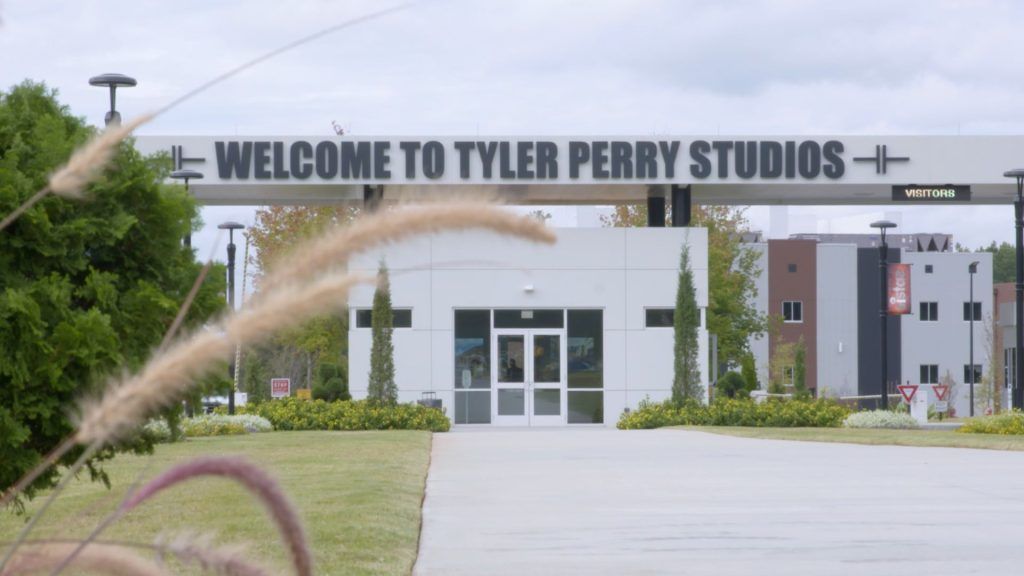
In 2019, he opened Tyler Perry Studios in Atlanta on the grounds of a former Confederate army base – a symbolic move that sent a loud message: a Black man now owned one of the largest film studios in the world. The facility boasts 12 soundstages, a replica of the White House, and space to film massive productions. Marvel’s Black Panther even used the lot.
Perry didn’t just make movies; he built a brand. He churned out hit after hit – Madea’s Family Reunion, Why Did I Get Married?, The Family That Preys. He moved into television with shows like House of Payne and The Haves and the Have Nots, signing lucrative deals with TBS and later BET.
In 2019, he opened Tyler Perry Studios in Atlanta on the grounds of a former Confederate army base – a symbolic move that sent a loud message: a Black man now owned one of the largest film studios in the world. The facility boasts 12 soundstages, a replica of the White House, and space to film massive productions. Marvel’s Black Panther even used the lot.
 Success didn’t shield Perry from criticism. Legendary director Spike Lee once accused his work of perpetuating harmful stereotypes about Black people. Perry’s response? “Spike can go to hell.” That feud became a talking point in the film industry for years.
Others accused him of overworking himself, cutting creative corners, or avoiding writer’s rooms to keep creative control. But Perry has always shrugged it off. “I know my audience,” he says – and his audience keeps proving him right.
Here’s the genius of Tyler Perry’s business model: he owns everything. The scripts, the characters, the studios, the distribution rights. No middlemen. That means when his films or shows make money – and they almost always do -Perry keeps the lion’s share.
In 2012, he signed a massive content deal with Oprah Winfrey’s OWN network, boosting ratings and cementing his place as one of the most bankable names in TV. In 2019, he inked a long-term partnership with ViacomCBS (now Paramount Global), creating content for BET+ and securing another steady revenue stream.
Success didn’t shield Perry from criticism. Legendary director Spike Lee once accused his work of perpetuating harmful stereotypes about Black people. Perry’s response? “Spike can go to hell.” That feud became a talking point in the film industry for years.
Others accused him of overworking himself, cutting creative corners, or avoiding writer’s rooms to keep creative control. But Perry has always shrugged it off. “I know my audience,” he says – and his audience keeps proving him right.
Here’s the genius of Tyler Perry’s business model: he owns everything. The scripts, the characters, the studios, the distribution rights. No middlemen. That means when his films or shows make money – and they almost always do -Perry keeps the lion’s share.
In 2012, he signed a massive content deal with Oprah Winfrey’s OWN network, boosting ratings and cementing his place as one of the most bankable names in TV. In 2019, he inked a long-term partnership with ViacomCBS (now Paramount Global), creating content for BET+ and securing another steady revenue stream.
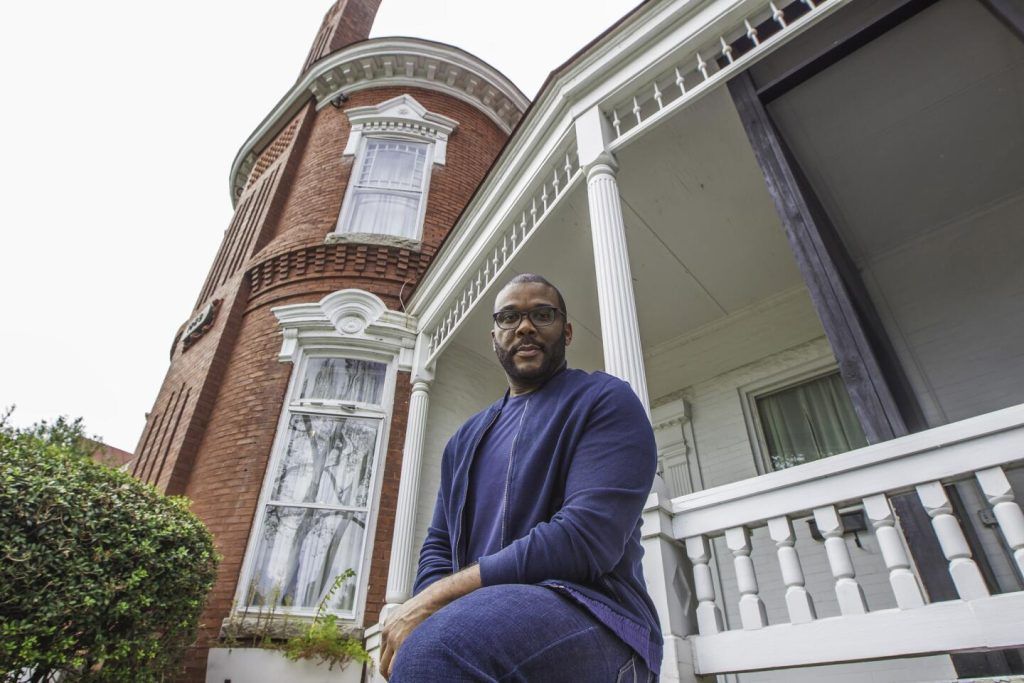 Perry is also a philanthropist. From paying off layaway bills for strangers at Walmart to offering shelter to displaced Hurricane Harvey victims, he gives back generously. In 2020, during the pandemic, he paid for groceries for thousands of senior citizens across Atlanta and New Orleans.
From living in his car to owning a studio that Hollywood giants rent from, Tyler Perry’s story is proof that you can bypass the gatekeepers and still dominate the industry. He didn’t wait for permission – he built his own table, his own stage, and his own studio.
Today, when the Hollywood elite gather, Tyler Perry isn’t just in the room – he owns the building.
Perry is also a philanthropist. From paying off layaway bills for strangers at Walmart to offering shelter to displaced Hurricane Harvey victims, he gives back generously. In 2020, during the pandemic, he paid for groceries for thousands of senior citizens across Atlanta and New Orleans.
From living in his car to owning a studio that Hollywood giants rent from, Tyler Perry’s story is proof that you can bypass the gatekeepers and still dominate the industry. He didn’t wait for permission – he built his own table, his own stage, and his own studio.
Today, when the Hollywood elite gather, Tyler Perry isn’t just in the room – he owns the building.
Discover more from Jojo Naija
Subscribe to get the latest posts sent to your email.

Continue Reading