
Governance and Developments
Are Nigerian Transporters Legally Obligated to Join Road Transport Unions? The Truth Will Shock You!

Billions Collected, But Where Does the Money Go?
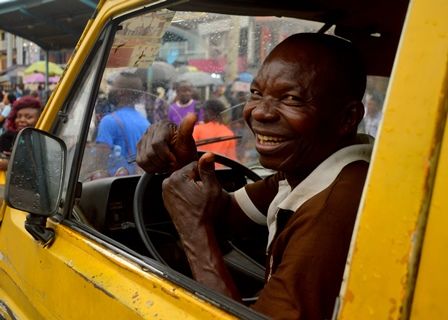
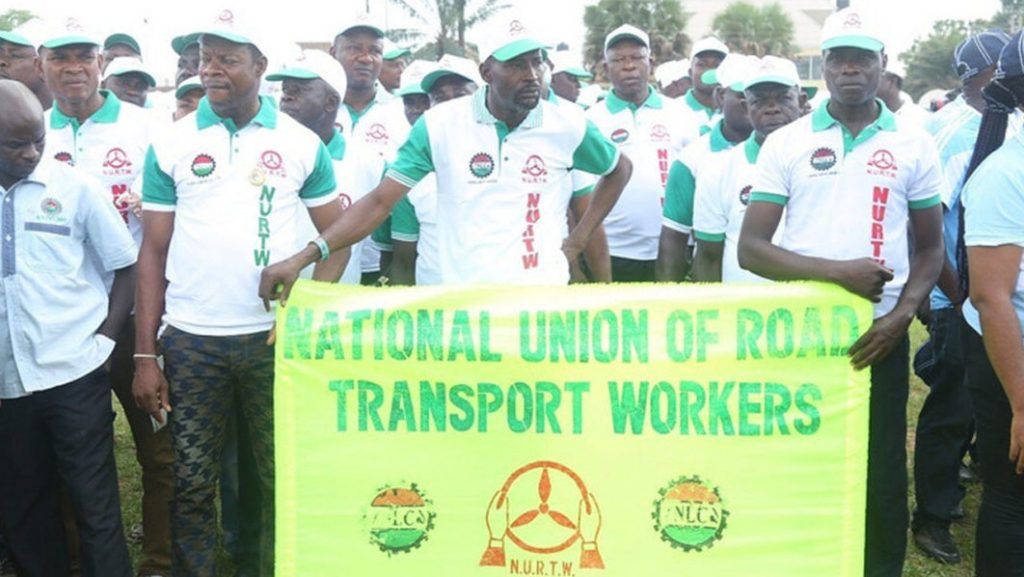
Every Nigerian who has taken a bus in Lagos, Ibadan, or Abuja knows this story: conductors and drivers paying endless levies at every bus stop, union officials chasing after tricycles, and passengers left wondering, “Who eats all this money?” Nigeria’s road transport unions – NURTW, RTEAN, NARTO, and ACOMORAN – are not just associations. They are economic powerhouses, generating billions of naira annually from dues, levies, and compulsory fees. Yet, our roads remain pothole-filled, and drivers complain that the burden only grows heavier. This raises a critical legal and social question: Are transporters really required by law to belong to these unions? Or is it just a strong-arm practice?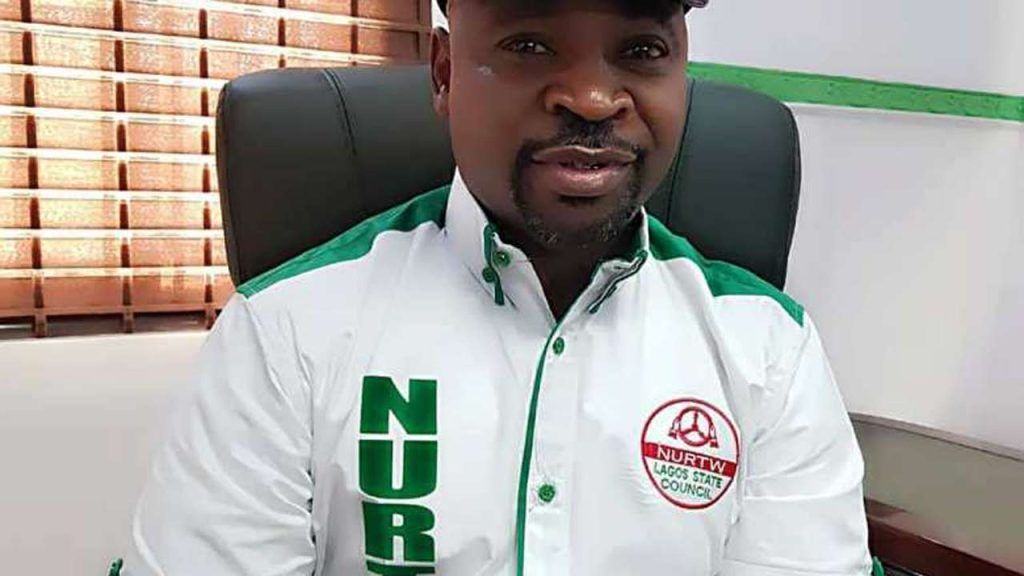
The Question of Membership Obligation
For years, transporters have been told – directly or indirectly – that they must belong to a union. Miss a payment or refuse to identify with a group, and suddenly, your bus is harassed, your tricycle impounded, or your routes blocked. But legally speaking, can anyone actually force a transporter to join these unions?
What Does the Law Say?
Here’s the shocker: there is no Nigerian federal law that mandates membership of any road transport union. Under the Trade Unions Act, workers across sectors are allowed to form and join unions – but this is meant to be voluntary, not compulsory. In reality, however, many transporters feel they have no choice. Why? Because unions control motor parks, routes, and even access to passengers. Without their “approval,” operating freely becomes almost impossible.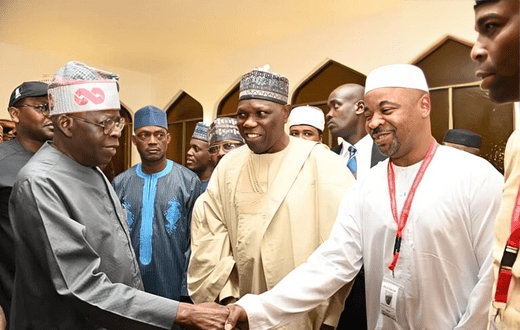
Government’s Position: Silent Partner?
The Nigerian government does not officially decree that every driver must join NURTW or RTEAN. However, state governments often work with unions as “partners” in managing public transport. For example:- Licensing offices may ask for proof of union affiliation.
- Police and task forces often “look the other way” when union enforcers collect levies.
- Politicians use unions as power blocs during elections.
The Impact: Billions Collected, But For What?
According to estimates, these unions generate billions of naira every year from levies and dues. Yet, they are not responsible for building or maintaining Nigeria’s crumbling roads. Drivers complain: “We pay every day but see nothing in return.” “Instead of fixing roads, leaders fight for union chairmanship because it’s a gold mine.” Passengers too wonder why fares keep rising despite all the money unions claim to handle.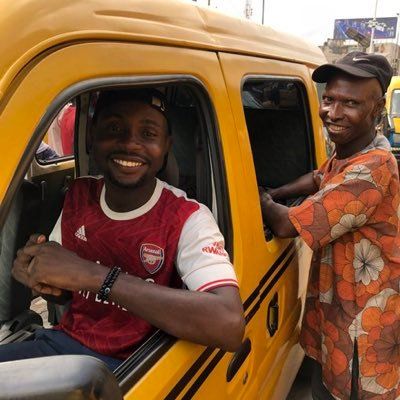
The Fierce Contest for Leadership
The financial power of these unions makes their leadership positions hotly contested. A union chairmanship is not just a title – it’s a ticket to political influence, connections, and huge financial flows. Unfortunately, this often results in:- Violent clashes during leadership struggles.
- Mismanagement of funds.
- Corruption with little accountability.
Are Transporters Really Free to Choose?
The Way Forward
- Stricter regulation: government must audit how union funds are used.
- Voluntary membership enforcement: Transporters should be protected from harassment if they refuse to join.
- Transparent revenue use: A portion of levies must go directly into road maintenance and welfare for drivers.
- Civic education: Transporters need to know their legal rights under the Trade Unions Act.
The Big Question
The big question remains: Are Nigerian transporters free to choose? On paper, yes. On the streets, not really. Until unions are made more accountable and transparent, the billions they collect will continue to disappear into thin air, while Nigerian roads remain in shambles. What’s your take? Should transporters be free to operate without compulsory union membership? Drop your thoughts in the comments below!Discover more from Jojo Naija
Subscribe to get the latest posts sent to your email.

Continue Reading