
Showbiz & Entertainment
Nelson Brown: An Unsung Pioneer That Revolutionized Nigeria’s Afrobeats Sound

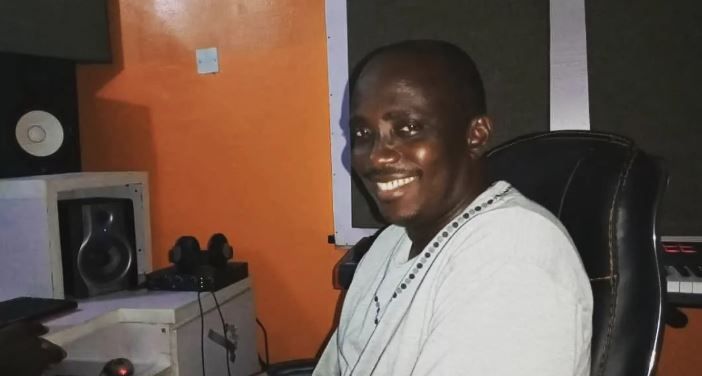

The Force Behind Plantashun Boiz
When the legendary Plantashun Boiz – 2Baba, Blackface, and Faze – entered the scene, it was Nelson Brown who helped turn their talent into a national movement. Their debut album Body & Soul wasn’t just music. It was a generational awakening. It introduced a refined Afro-fusion that combined deep emotion with street rhythm. That project, produced by Nelson Brown, became one of the cornerstones of modern Afrobeats. It connected the highlife roots of the past with the pop energy of the future. Without Body & Soul, the bridge between old-school Afrobeat and today’s Afrobeats might never have existed. Beyond the Plantashun Boiz era, Nelson Brown’s sound defined the late 90s and early 2000s. His creative fingerprint ran through the works of Daddy Showkey, Baba Fryo, Fada U Turn, and Junglist – where a young Oritse Femi first made waves. He collaborated with Sound Sultan, Slam, and Faze, delivering music that captured the heart of Nigerian life.
His songs told the stories of struggle, hope, love, and hustle. They were raw, emotional, and real. Before digital platforms and social media, Nelson Brown was already creating the kind of music that connected Nigerians to their identity.
Beyond the Plantashun Boiz era, Nelson Brown’s sound defined the late 90s and early 2000s. His creative fingerprint ran through the works of Daddy Showkey, Baba Fryo, Fada U Turn, and Junglist – where a young Oritse Femi first made waves. He collaborated with Sound Sultan, Slam, and Faze, delivering music that captured the heart of Nigerian life.
His songs told the stories of struggle, hope, love, and hustle. They were raw, emotional, and real. Before digital platforms and social media, Nelson Brown was already creating the kind of music that connected Nigerians to their identity.

Why Nelson Brown Deserves More Recognition
For all his influence, Nelson Brown’s name doesn’t ring as loudly as it should. In the story of Afrobeats, producers like him often fade into the shadows while singers enjoy the spotlight. But make no mistake – Nelson Brown was one of the master builders of the movement. He refined the raw energy of Nigerian streets into something globally magnetic. He gave young artists the courage to experiment. He made Nigerian music sound world-class at a time when the world wasn’t listening. Without Nelson Brown, the story of Afrobeats would be incomplete. Produced by Nelson Brown, Faze’s 2004 debut album Faze Alone marked his rise after Plantashun Boiz split and showcased the soulful, modern Afrobeats sound that defined a new era.Nelson Brown was more than a producer. He was a prophet of sound who saw tomorrow’s music in today’s noise. While others chased trends, he built foundations. His fusion of local rhythm and global sound shaped what we now call Afrobeats – a genre that carries Africa’s heartbeat to the world.-
READ ALSO: 10 Nigerians Who Have Won The Grammy

Nelson Brown also produced hits for other stars, including Sound Sultan’s iconic album “The Textbook” – featuring timeless tracks like “Back in the Days” and “Motherland



-
READ ALSO: How Jay-Z Became Hip-Hop’s First Billionaire
Discover more from Jojo Naija
Subscribe to get the latest posts sent to your email.

Continue Reading