
Crime/Law Enforcement
Is There a Christian Genocide in Nigeria? A Fact-Check Investigation

The Grim Numbers: Death in Thousands
Who’s Doing the Killing?
Three main groups appear again and again in reports: Boko Haram, ISWAP, and armed Fulani herdsmen. Boko Haram’s goal has always been clear – establish an Islamic caliphate and crush Christianity in the north.-
READ ALSO: Meet Africa’s Richest Philanthropists
What the World Is Saying
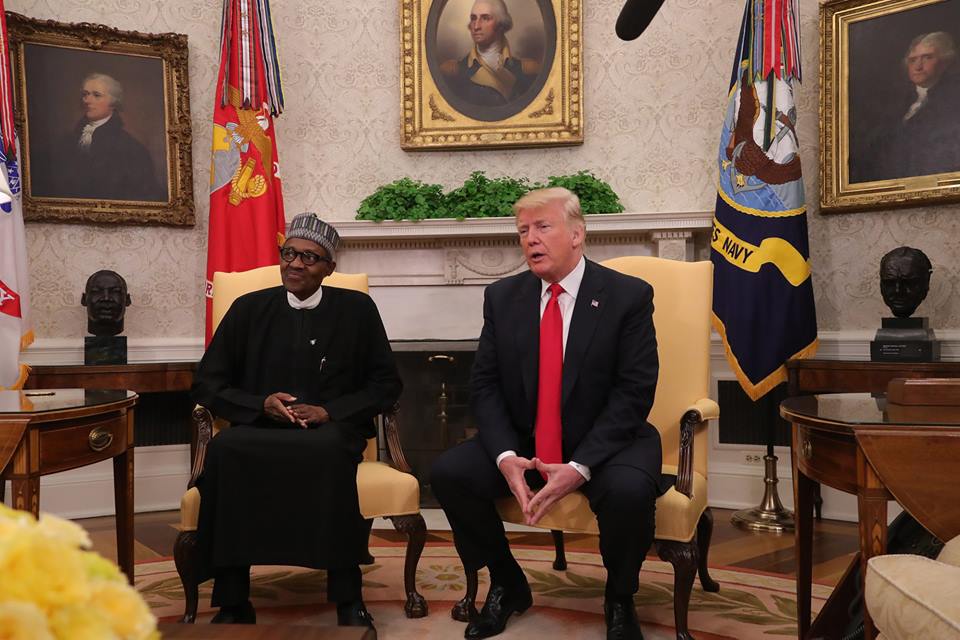
In 2018, U.S. President Donald Trump told Nigerian President Muhammadu Buhari in Washington: “We have very serious problems with Christians being murdered in Nigeria. We cannot allow that to happen.” Buhari blamed it on “cross-border bandits” from Libya. But the killings continued long after that meeting. The U.S. Commission on International Religious Freedom has listed Nigeria as a “Country of Particular Concern” for several years. Amnesty International has also documented thousands of Christian deaths and forced displacements in Benue, Plateau, and Kaduna. Even Open Doors, the global Christian watchdog, ranks Nigeria as the world’s second deadliest country for Christians.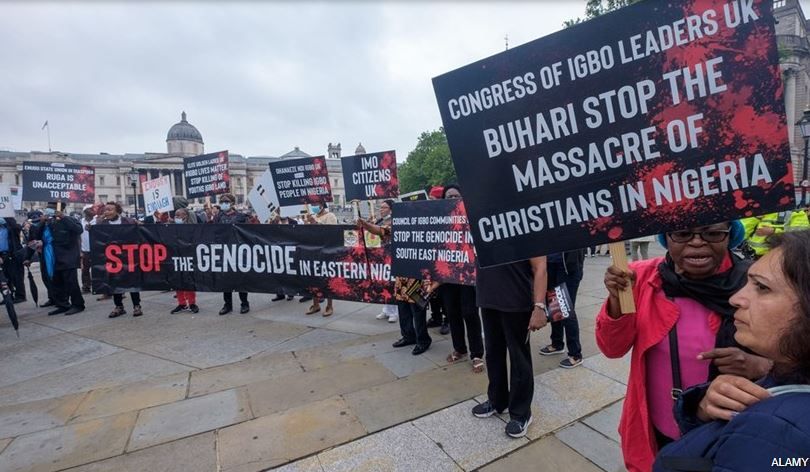
August 2021: Nigerians protest in Trafalgar Square, calling for an end to the killings in southeast Nigeria—a predominantly Christian region
Does It Qualify as Genocide?
Now comes the hard question: Do these atrocities meet the legal test for genocide? The United Nations Genocide Convention defines genocide as an intent to destroy, in whole or in part, a religious group. So far, there’s no document or speech showing a central plan by the Nigerian state. However, the pattern of killings suggests a coordinated and targeted campaign against Christians. When attackers repeatedly target Christian villages, churches, and clergy, the intent becomes hard to ignore. Genocide Watch and the Religious Freedom Institute have both warned that the Christian genocide in Nigeria may already be underway.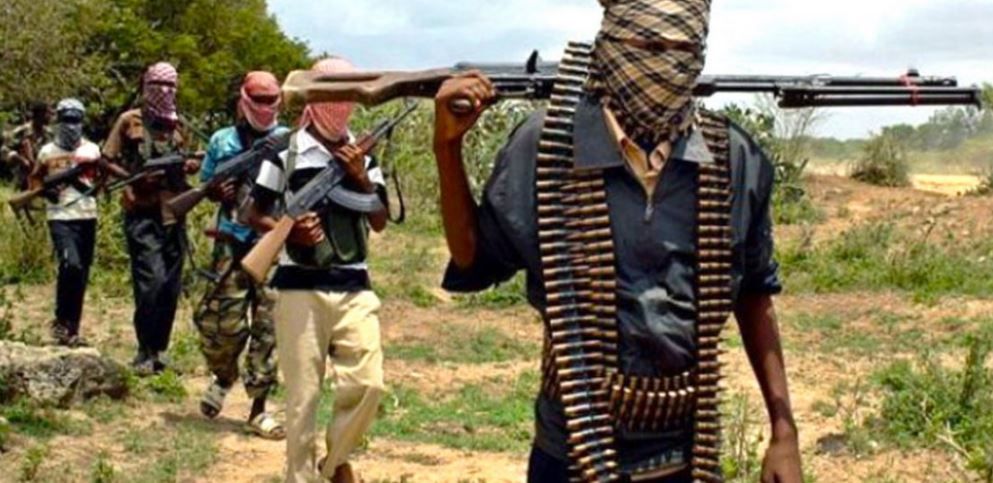
Fulani jihadists massacred 215 Christians in just one week in April 2022. Credit: Nigeria Premium Times
-
READ ALSO: Donald Trump, Racist: Fact Or Fiction?
Southern Kaduna: A Valley of Blood and Silence
Southern Kaduna, a predominantly Christian region, has suffered some of the most brutal massacres. Between 2016 and 2021, over 3,000 Christians were murdered, according to local advocacy groups and the Southern Kaduna Peoples Union (SOKAPU). Villages like Kagoro, Zangon Kataf, and Kafanchan have been repeatedly attacked by armed Fulani herdsmen. Homes are burned, children killed, and entire communities displaced.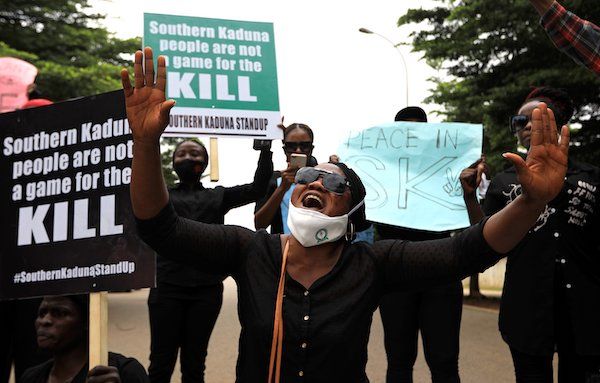
A woman reacts during a protest in Abuja, Nigeria, Aug. 15, 2020. The demonstration was against the continued killings in southern Kaduna and insecurities in Nigeria. Deadly violence hit Christians in Africa Jan. 15, 2023, with a Catholic priest in northern Nigeria burned to death and as many as 17 Christians killed in a blast in eastern Democratic Republic of Congo. (OSV News photo/Afolabi Sotunde, Reuters)
A Tragic Pattern Across the Middle Belt
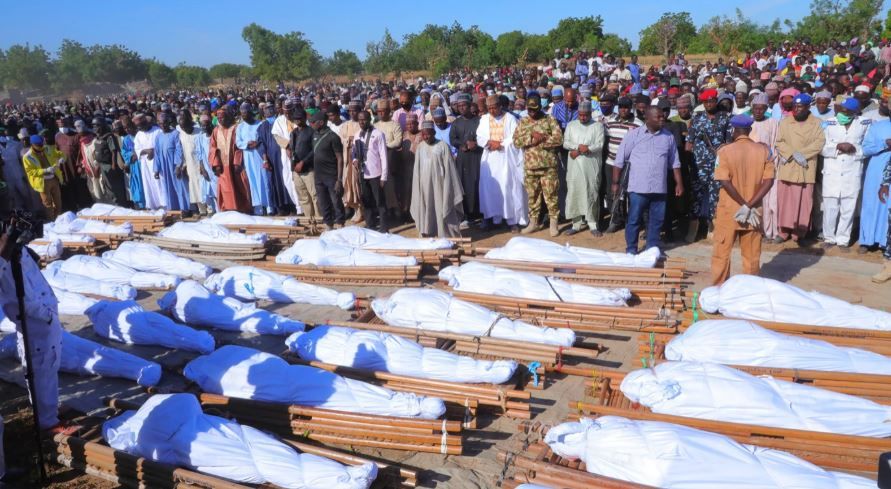
The same story echoes across Plateau, Benue, Taraba, and Adamawa States. In 2022, Fulani militias massacred more than 80 Christians in Miango and Bassa communities in Plateau State. In Benue, over 1,700 Christians were killed in just one year, according to the state government. Mass burials are now a routine sight in rural Christian communities. Survivors flee to IDP camps, where aid is scarce. Meanwhile, perpetrators are rarely prosecuted.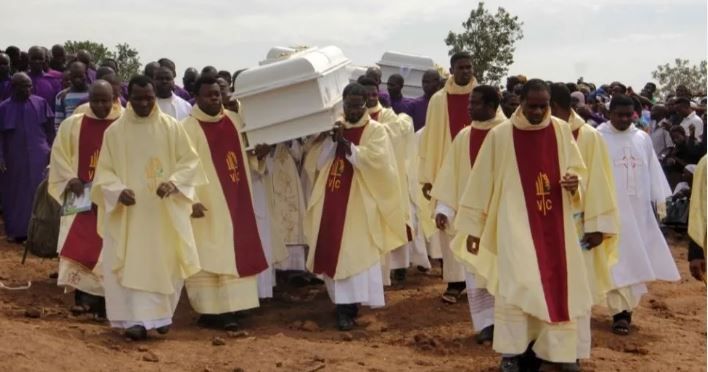
Church Bombing
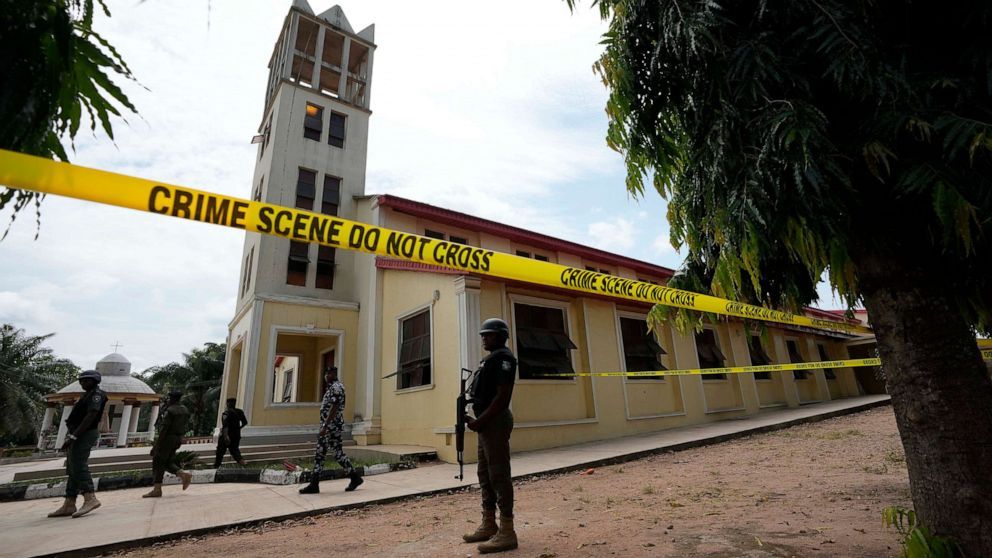
Since the Boko Haram insurgency began in 2009, thousands of Christian churches in Nigeria have been burned, bombed, or destroyed. The International Society for Civil Liberties and Rule of Law (Intersociety) estimates that between 17,000 and 19,000 churches, along with about 2,000 Christian schools, have been attacked nationwide – roughly 1,200 churches every year.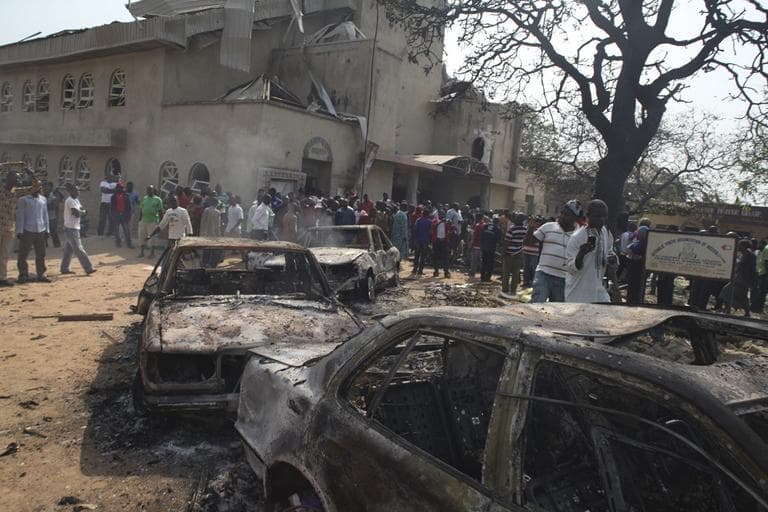
December 2011: Onlookers gather around a destroyed car at the site of a bomb blast at St. Theresa Catholic Church in Madalla, Nigeria. (AP)
The Government’s Defense
Nigerian officials reject the word “genocide.” They claim the violence is driven by land disputes, not religion. But critics point out that Muslim communities rarely suffer attacks on this scale. Security forces often arrive hours late – or not at all. Few perpetrators are ever arrested or prosecuted. To many observers, government inaction looks like silent complicity.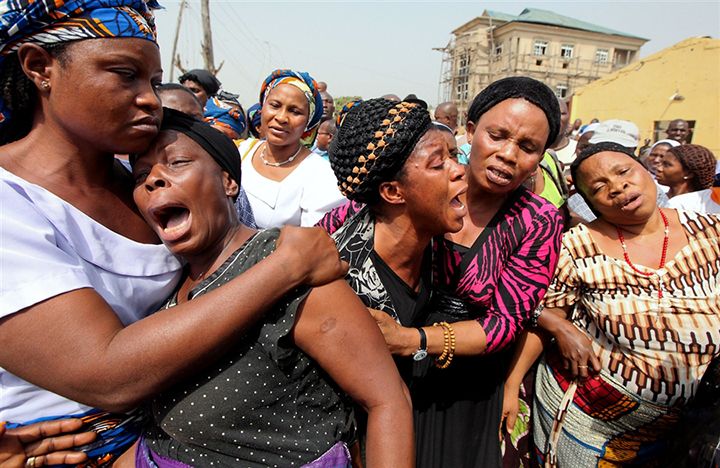
The Verdict
Whether you call it genocide or religious cleansing, the facts speak loudly. Tens of thousands of Christians are dead. Villages are wiped out. Millions displaced. It may not yet be proven as genocide in a legal court, but morally, it looks and feels like one. The world cannot look away. As the evidence piles up, the question is no longer “Is there a Christian genocide in Nigeria?” The real question is: How much longer will the world pretend not to see it?Discover more from Jojo Naija
Subscribe to get the latest posts sent to your email.
