
General
How Ibrahim Babangida Rose To Power On This Day 36 Years Ago

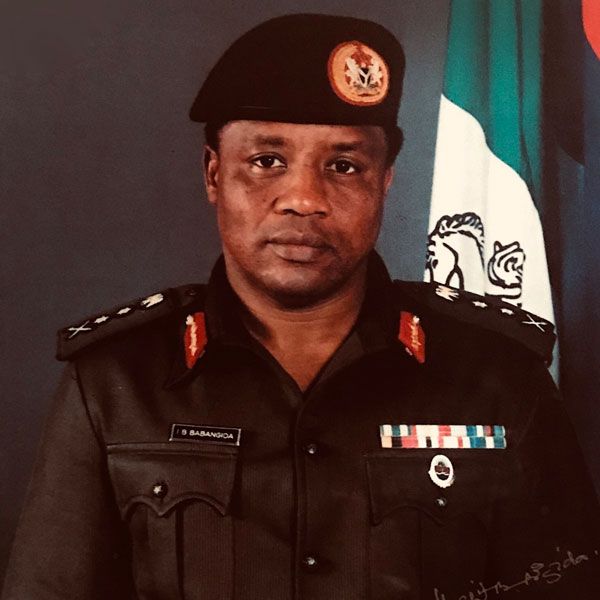
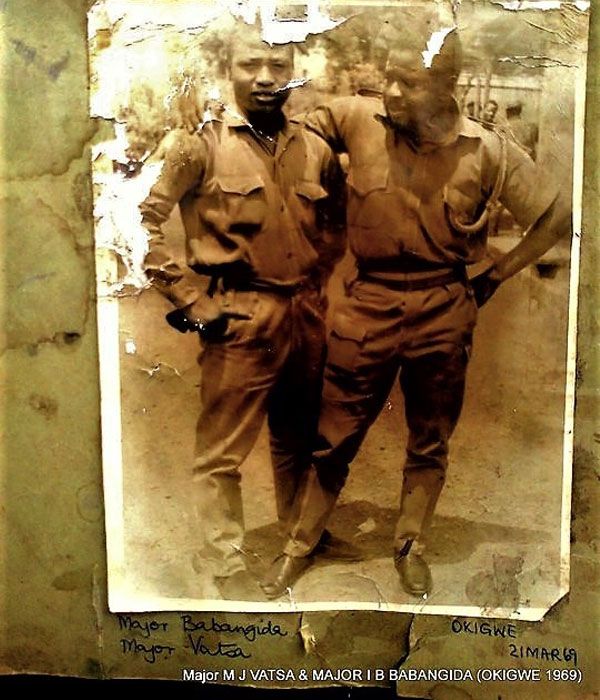
Major Mamman Vatsa and Major Ibrahim Babangida in Okigwe on 21 March 1969
-
READ ALSO: How Miss Nigeria Fainted At Miss Universe Pageant When Her Name Wasn’t Called As A Finalist
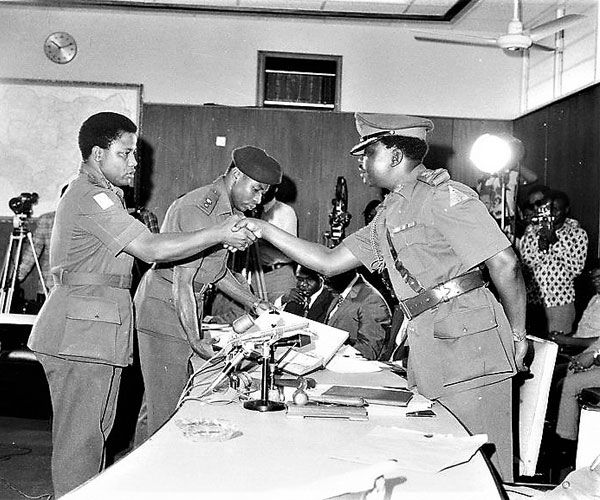
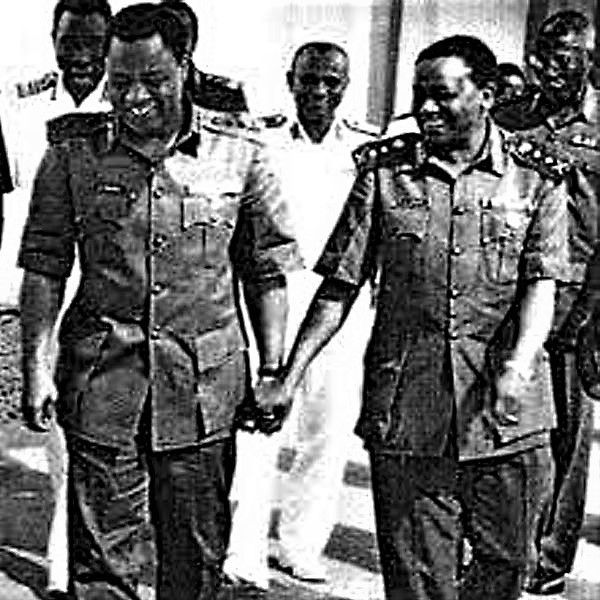
Gen. Murtala Mohammed shakes hands with Lt. Col. Ibrahim Babangida in 1975
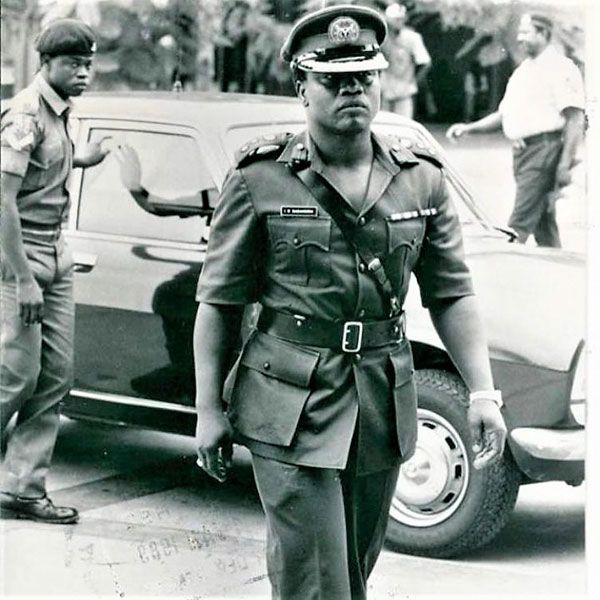 Brigadier General Babangida, who was the Director of Army Staff Duties and Plans at the time, masterminded the coup d’ètat in 1983. The coup brought the Second Republic to an end. A close associate of Babangida, the businessman, Moshood Abiola, provided financial support for the coup.
General Muhammadu Buhari, the most senior serving officer at the time, was later appointed as military head of state by Babangida and his other co-conspirators, serving from 1983 to 1985.
Babangida was promoted to Chief of Army Staff and appointed to the Supreme Military Council during this time.
Brigadier General Babangida, who was the Director of Army Staff Duties and Plans at the time, masterminded the coup d’ètat in 1983. The coup brought the Second Republic to an end. A close associate of Babangida, the businessman, Moshood Abiola, provided financial support for the coup.
General Muhammadu Buhari, the most senior serving officer at the time, was later appointed as military head of state by Babangida and his other co-conspirators, serving from 1983 to 1985.
Babangida was promoted to Chief of Army Staff and appointed to the Supreme Military Council during this time.
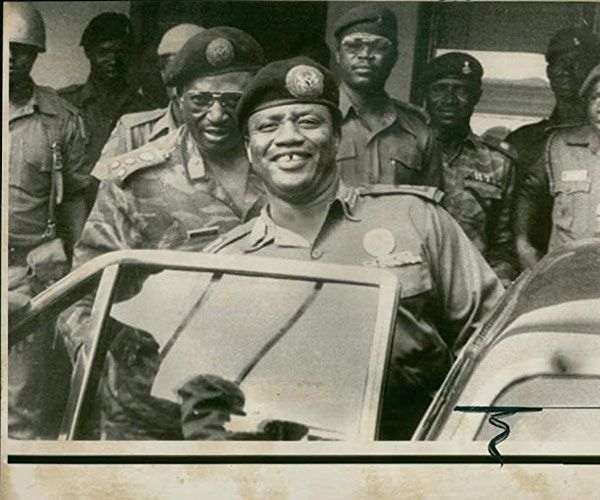 Following the 1983 coup, General Babangida began plotting the overthrown of military ruler General Muhammadu Buhari.
The palace coup of 1985 was carried out with a level of military deftness unseen in coup plotting history.
The entire operation, led by Babangida, was planned at the highest levels of the army. From his days as an instructor in the military academy (graduates of the NDA’s Regular Course 3), he cultivated strategic relationships with allies such as Sani Abacha, Aliyu Gusau, Mamman Vatsa, Halilu Akilu, Gado Nasko, and younger officers, and gradually positioned his allies within the echelons of the military hierarchy.
The palace coup was initially postponed due to General Tunde Idiagbon, General Muhammadu Buhari’s ruthless second-in-command, who was the Supreme Headquarters’ 6th Chief of Staff. Ibrahim Babangida
On August 27, 1985, at midnight, four Majors were assigned to arrest the head of state: Sambo Dasuki, Abubakar Dangiwa Umar, Lawan Gwadabe, and Abdulmumini Aminu.
By daybreak, the plotters had taken control of the government, and Babangida flew into Lagos from Minna, where he was announced as the new commander-in-chief in a radio broadcast by General Sani Abacha.
Babangida justified the coup in a speech by describing General Muhammadu Buhari’s military regime as “too rigid.”
Following the 1983 coup, General Babangida began plotting the overthrown of military ruler General Muhammadu Buhari.
The palace coup of 1985 was carried out with a level of military deftness unseen in coup plotting history.
The entire operation, led by Babangida, was planned at the highest levels of the army. From his days as an instructor in the military academy (graduates of the NDA’s Regular Course 3), he cultivated strategic relationships with allies such as Sani Abacha, Aliyu Gusau, Mamman Vatsa, Halilu Akilu, Gado Nasko, and younger officers, and gradually positioned his allies within the echelons of the military hierarchy.
The palace coup was initially postponed due to General Tunde Idiagbon, General Muhammadu Buhari’s ruthless second-in-command, who was the Supreme Headquarters’ 6th Chief of Staff. Ibrahim Babangida
On August 27, 1985, at midnight, four Majors were assigned to arrest the head of state: Sambo Dasuki, Abubakar Dangiwa Umar, Lawan Gwadabe, and Abdulmumini Aminu.
By daybreak, the plotters had taken control of the government, and Babangida flew into Lagos from Minna, where he was announced as the new commander-in-chief in a radio broadcast by General Sani Abacha.
Babangida justified the coup in a speech by describing General Muhammadu Buhari’s military regime as “too rigid.”
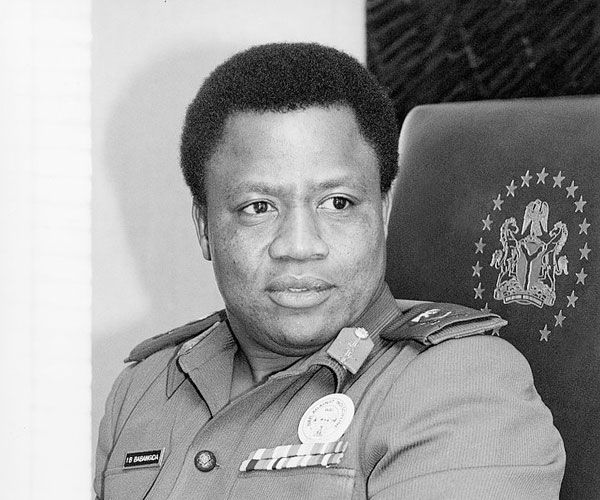 The election on June 12, 1993 is widely regarded as Nigeria’s most free and fair. Before Babangida called the election off, Moshood Kashimawo Olalekan (MKO) Abiola was leading the polls.
There was a national outpouring of rage following the annulment of the June 12 election. As a result, Babangida was forced to issue a proclamation establishing the Interim National Government.
Babangida resigned on August 27, 1993, appointing Ernest Shonekan to lead an Interim National Government.
The election on June 12, 1993 is widely regarded as Nigeria’s most free and fair. Before Babangida called the election off, Moshood Kashimawo Olalekan (MKO) Abiola was leading the polls.
There was a national outpouring of rage following the annulment of the June 12 election. As a result, Babangida was forced to issue a proclamation establishing the Interim National Government.
Babangida resigned on August 27, 1993, appointing Ernest Shonekan to lead an Interim National Government.
Discover more from Jojo Naija
Subscribe to get the latest posts sent to your email.

Continue Reading